Functional Intelligence Early Signals Mobility Intelligence Cognitive Intelligence Dynamic Action Plan
Solutions Home Care Senior Living Rehabilitation Primary Care Longevity Clinics
Partners Partners
Company About Us Contact
Sign in Request Demo →

Functional change is easy to miss
across a whole community —
we make it visible.

Protect Occupancy

Staff can't watch everyone.
Objective checks can.

AI keeps every resident's full history. New hires start with total context — no memory loss, no dropped residents. When staff turn over, continuity of care doesn't.

Empower Your Team

Role based action plan.
Nothing to look for.

Care staff, therapists, and clinicians are guided directly to what matters — nothing more. No dashboards. No guesswork. Just the right action, in the right hands, at the right moment.

How It Works

Assess. Understand. Act.

01 · At Move-In
Early Signals at move-in

Early Signals on day one.

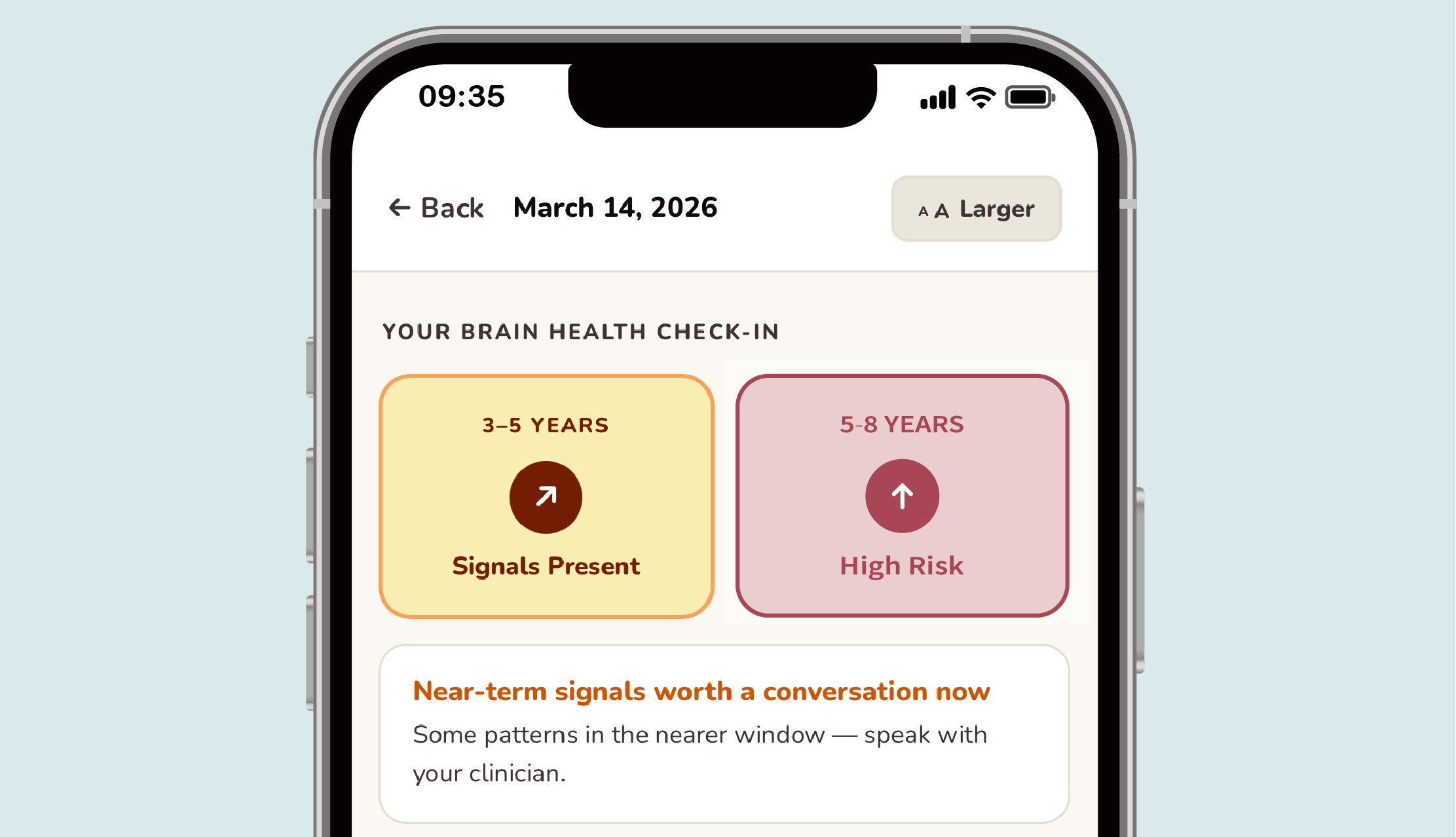
AI surfaces a 180-day mobility signal and an early cognitive signal 3–8 years out at move-in — an objective baseline no human assessment can match.

Mayo Clinic–Trained
02 · Always On
Mobility and sensor monitoring

Objective mobility.
Sensors folded in when useful.

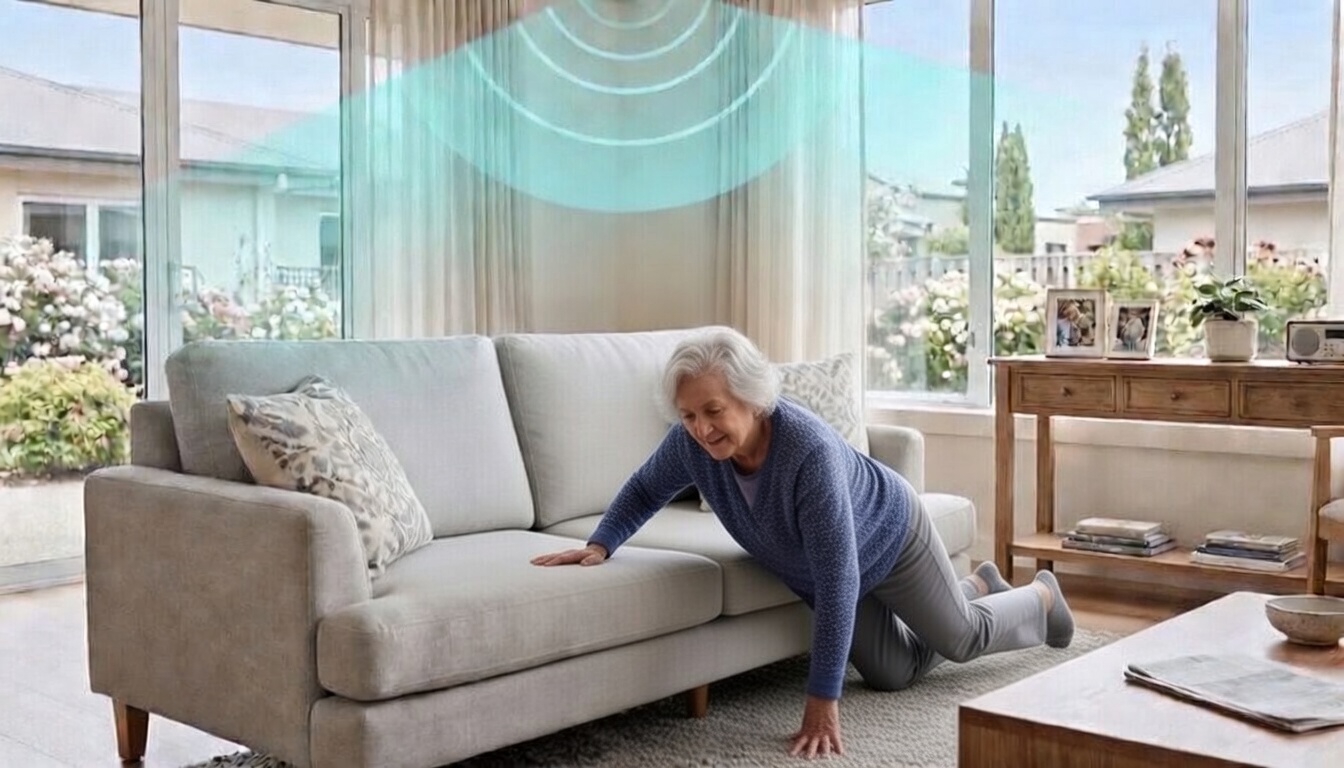
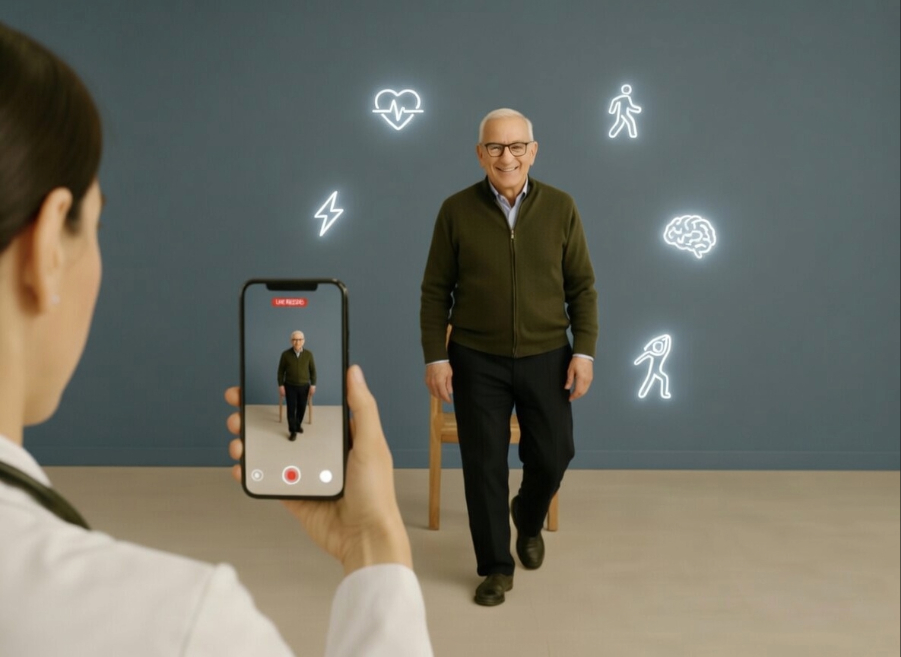
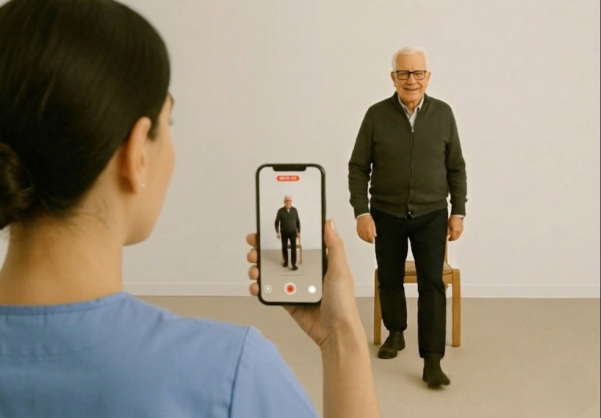
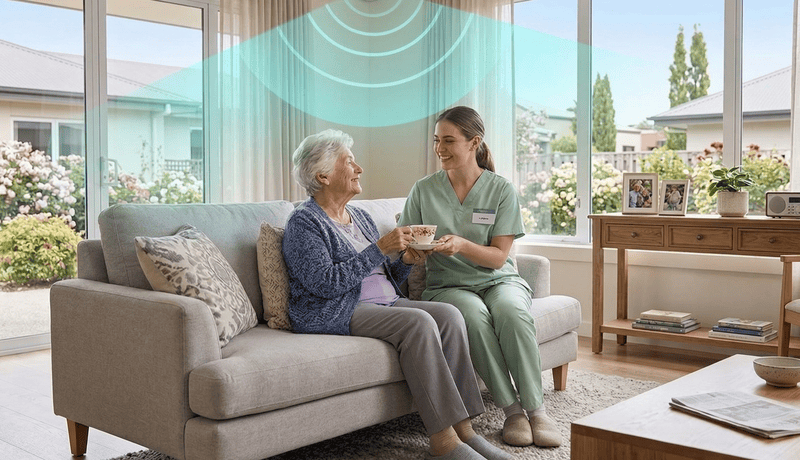
A 30-second video turns into objective mobility function for each resident. Where you use them, partner radar, movement and vitals sensors feed in as complementary inputs — no cameras, no wearables.

Objective mobility · Sensors optional
03 · Every Shift
Dynamic Action Plan role-based action

Role based Action.
Dynamic Action Plan.

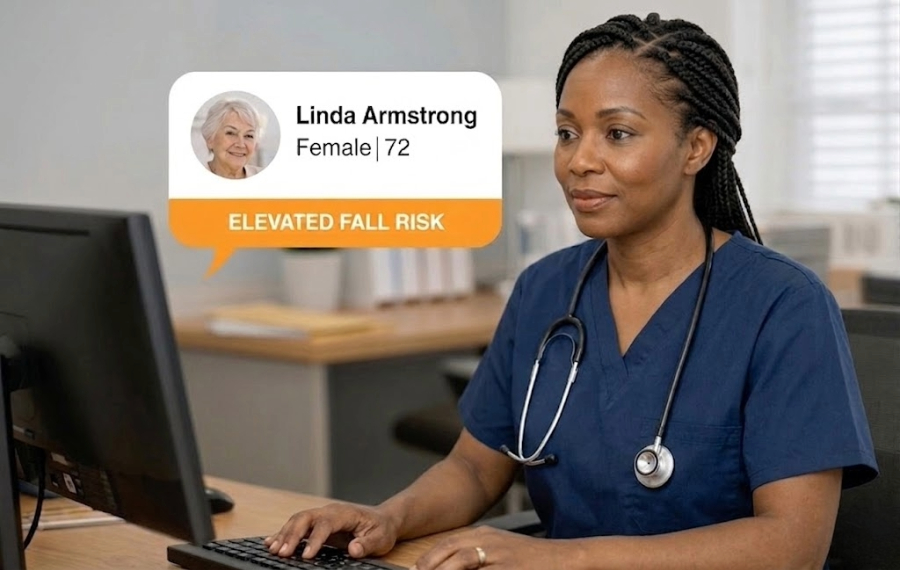
A change in function, a cognitive signal shift, a connected-sensor alert — the right person is alerted instantly. Care staff. Therapist. Clinician. Each sees only what they can act on.

Real-time · In your hands · No dashboard

What staff sees

Resident function,
at a glance.

A per-resident support status flags who may need a closer look, with the care areas behind it — transfers, bathroom routine, walking the community, balance — and any change from the previous assessment.

Staff act on the flag, not the raw data.

SeniorLife Senior Living result — resident support status and care-area breakdown

Every Shift

The right action.
Real-time. For every role.

We don't wait for the shift. The AI re-synthesizes every signal continuously and delivers exactly what each care team member can act on the moment something changes.

Front-line care team member reviewing a shift action card on their phone
Care Staff

Daily care team

One clear priority per resident at the start of every shift. No dashboards, no reports.

Encourage activity; mobility signal is elevated. Monitor mobility, especially sit-to-stand.
Ensure safe transfers. Possible falls detected 3 times this week via Activity Monitor.
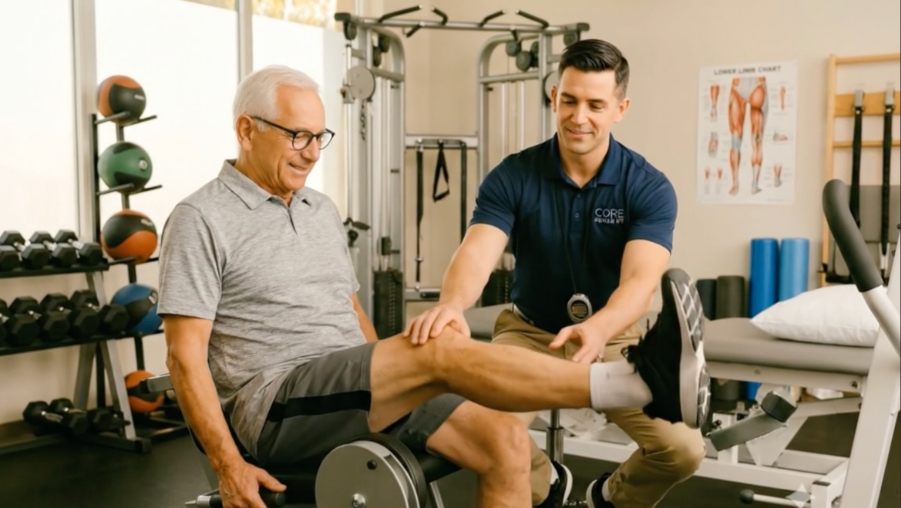
Physical therapist reviewing TUG results and mobility domain scores before a resident session
Therapist

Therapy team

TUG results, domain scores and flagged changes waiting before every session. Evidence-led from minute one.

Review TUG results. Focus on balance and gait training. Address sit-to-stand difficulty.
Document balance and gait focus. Mobility Metrics: Transitions, Gait, Balance, Turning all GOOD.

Clinician reviewing a synthesized functional summary — vitals trends, flagged changes, signals
Clinician

Clinician team

Cognitive signals, vitals trends and flagged changes synthesized. Review focuses only on what has actually shifted.

Review elevated stress index (247 au). Monitor BP trends. Assess medication impact on balance.
No other immediate concerns. Early Signals shows elevated mobility signal, last assessed 3 months ago.

Dynamic Action Plan

Urgency first.
Full context on demand.

Urgent alerts first. Role-specific actions follow. Full context is one tap away. Falls detected by connected sensors, alerts, and cognitive signal changes surface instantly, guiding each team member to act. Details — mobility, activity, vitals — are organized and continuously updated.

Resident care context showing early signals and mobility data on demand
👆

Tap a role. Expand for details.

Notifications

The right person
is notified.

Possible falls threshold reached, fall detected by a connected sensor, cognitive signal shifts, elevated vitals. The right person's device gets the alert. Nobody has to check.

Critical
Fall detected by a connected sensor or 3 or more possible falls in a week — immediate push notification and timeline entry.
Signals & Vitals Updates
Cognitive signal changes, elevated vitals, care record updates — logged to timeline, push for elevated signals.
Push Notification
SeniorLife.AI
Armstrong, George — Possible Falls
Activity Monitor · 3 this week
now
In-App Timeline
Armstrong, George
Possible Falls — 3 detected this week
See Activity Trend
11m ago
Armstrong, George
Elevated Signal — Early Signals
See Functional Analysis
3mo ago
Armstrong, George
Stress Index ↑ 247 au — Vitals
Check Vitals
4h ago
Care coordinator reviewing a resident functional dashboard with mobility status badges and 180-day trend chart

Early Intelligence

The signal shows up early.
The fall doesn't have to.

Mayo Clinic data–trained AI surfaces a 180-day mobility signal and an early cognitive signal 3 to 8 years out. A baseline established at move-in. Every signal after that — movement, vitals, assessments — synthesized automatically.

Across Your Community

Every care level.
One objective baseline.

Independent Living

Families choosing between communities pick the one that can show it sees change early. An objective functional baseline at move-in, tracked quarterly, is that proof.

Assisted Living

$87K average revenue lost per move-out following a fall. A 180-day mobility window gives your team time to act first. When staff turn over, the AI retains every resident's history. New hire, same intelligence.

Memory Care

Quarterly cognitive tracking gives families a longitudinal picture that's specific and shareable. Replaces "we think she's declined" with data they can actually see.

See changing function
across every resident.

See how SeniorLife makes changing resident function visible across your community — request a personalized demo.